

Cycling Gadget Reviews
RANKED: Smart Ring vs Watch vs Bike Computer. We ranked the best 5 options for cyclists for 2026
We spent the last six months testing dozens of different cycling tech. #1 surprised us all…
Our ultra strict criteria matters
Whether you’re training for your next gran fondo or squeezing in dawn patrol miles, the right tech can make every ride smarter. We tested the leading options across ride metrics, recovery insights, comfort, AI integration and coaching to find out what truly helps cyclists perform better in 2026. Below are our top picks—ranked. Each section explains who it’s for, what we loved, what we didn’t, and why it landed where it did.
1. OVERALL BEST: Helios Smart Ring by THRIVE
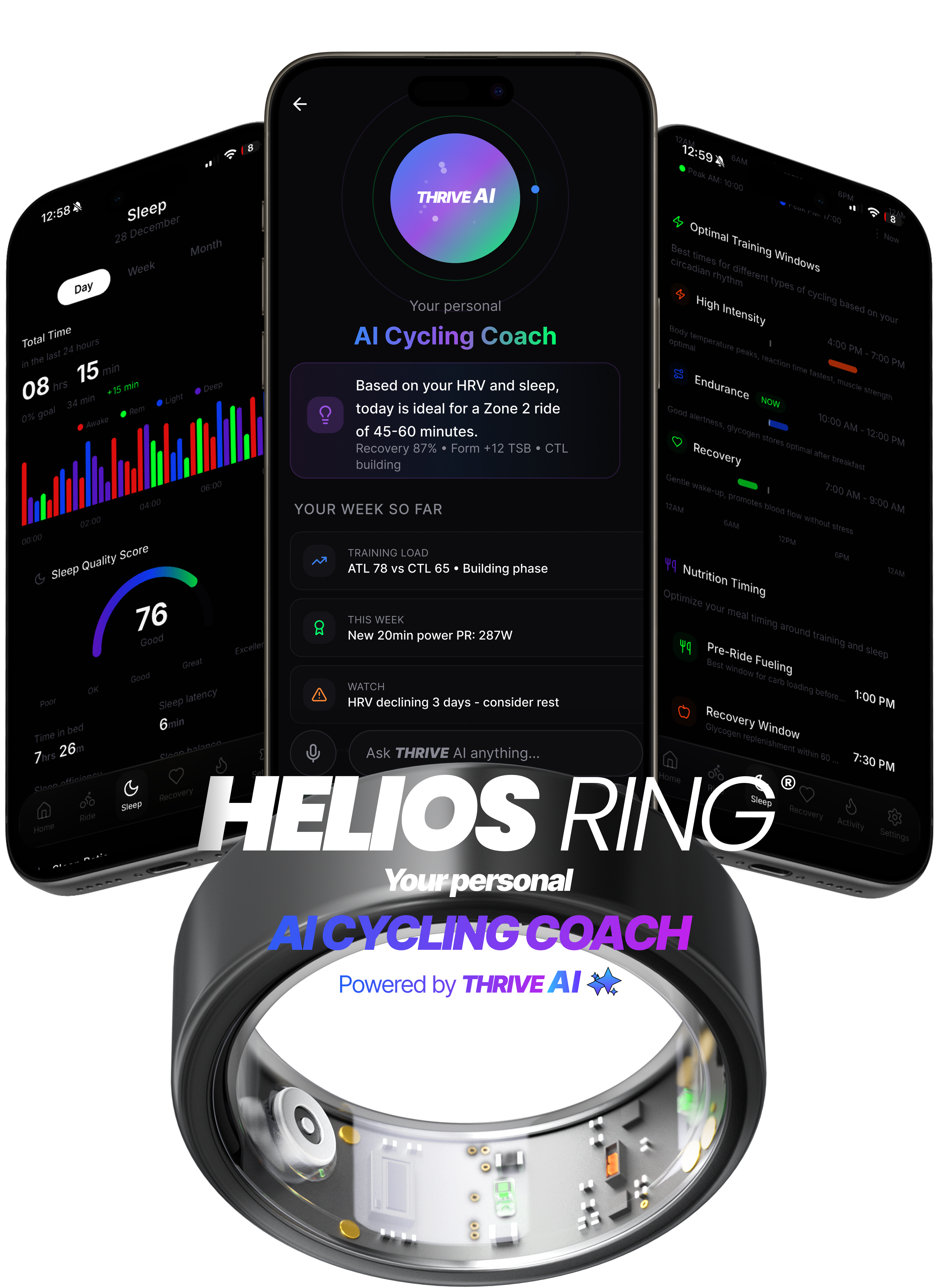
Features: 100% Smart features + AI
Battery Life: 96%
Price: Best Value for Money
AI Utility: Best integration of AI we have seen - Remarkable
Overall: AAA++
Why it’s #1: HELIOS is the first smart ring that actually understands cyclists. While other wearables treat cycling like just another workout, HELIOS was built from the ground up to bridge the gap between on-bike performance and off-bike recovery—then ties it all together with THRIVE AI, a cycling coach that lives on your finger. It's not just tracking your ride; it's coaching you through it in real time, then telling you exactly how to recover afterward. This is the device that replaces your bike computer, your wellness tracker, and your coaching app. Revolutionary doesn't even cover it.
Best for: Serious cyclists who are tired of juggling multiple devices and want one intelligent wearable that tracks rides, optimizes recovery, and coaches them to breakthrough performance—all without adding another screen to their handlebars.
Highlights:
Cycling mode: Live ride metrics, real-time heart rate zone guidance, FTP tracking, climb analysis, and automatic ride logging — every ride captured in the THRIVE app, all from a ring
Health stack: Continuous HRV monitoring, deep sleep stage analysis, daily recovery scores, readiness metrics, and stress trend tracking
THRIVE AI Coach: Real-time coaching prompts during rides (ease up, hold your zone, fuel reminders) + conversational AI advice + post-ride performance insights that actually help you improve
Premium comfort: Zero screens, featherlight titanium (3-4g), three stunning finishes (Black, Silver, 14K Gold)—so comfortable you'll forget you're wearing it, even to bed
What we loved:
24/7 wearability means your recovery data is actually accurate—no more "forgot to wear my tracker to bed" gaps
On-ride coaching feels like having a pro in your ear without strapping another screen to your bars or fumbling with your phone
Total consolidation: Three things cyclists hate juggling—bike computer metrics, health tracking, and coaching feedback—now live in one elegant, invisible package
The AI actually gets cycling: It doesn't just say "good job"—it tells you when yesterday's poor sleep means you should skip intervals today, or when your HRV spike means you're ready to crush a PR attempt
Our take: If you've ever stood in your garage staring at your bike computer, chest strap, fitness tracker, and training app wondering "why isn't this ONE thing?"—HELIOS is your answer. It's the most effortless performance upgrade we've ever tested. You'll wonder how you ever trained without it.
2. Apple Watch Ultra 3
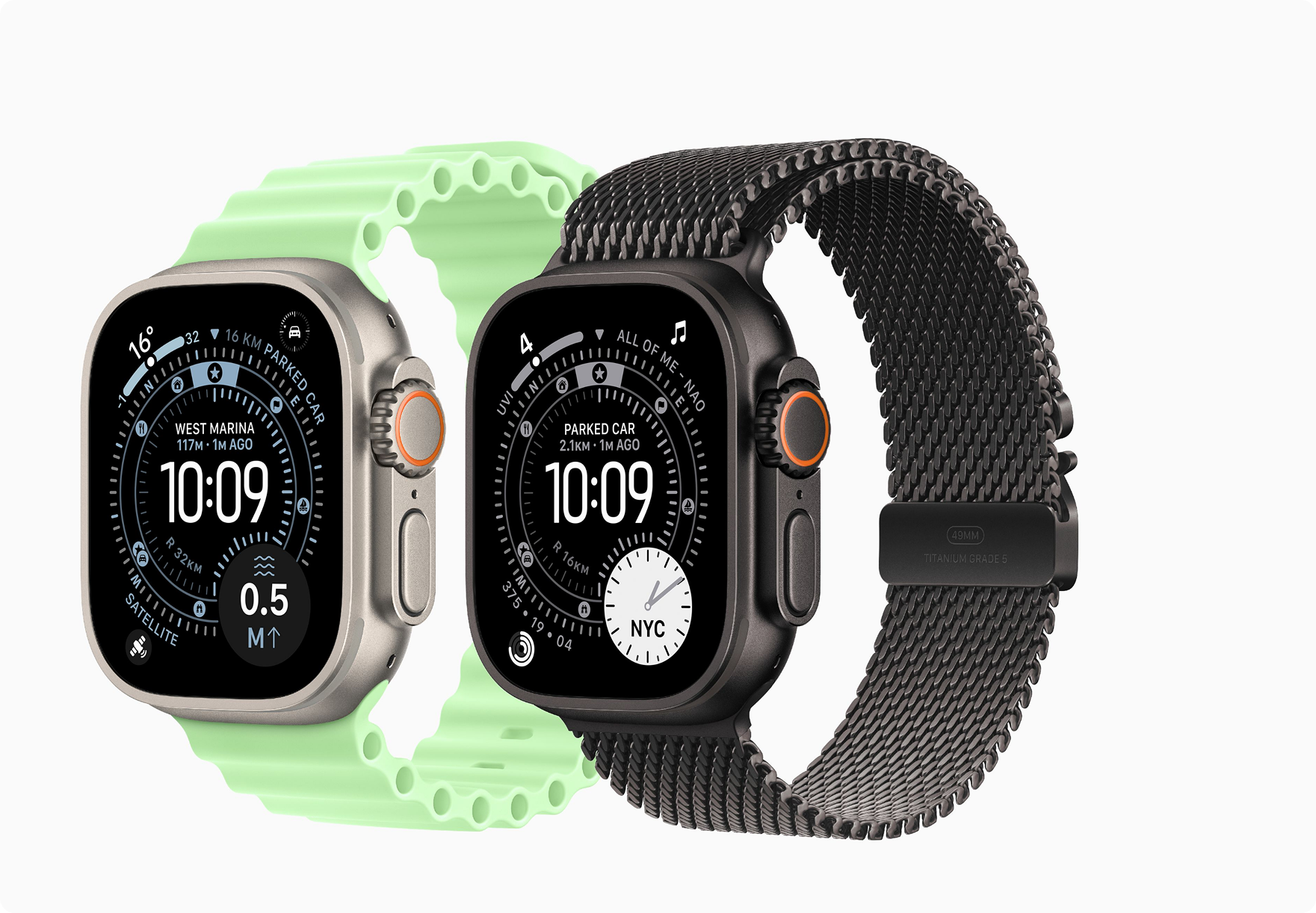
Features: 60%
Battery Life: 75%
Price: $$$$$$$$
AI Utility: Good
Overall: B
Why it’s #2: The most versatile do-everything smartwatch. Excellent general fitness, solid HR and GPS, notifications, and third-party cycling apps.
Best for: Riders who want a smartwatch first, with good fitness features and everyday utility.
What we loved:
Bright screen, snappy UI, great app ecosystem.
Good multisport tracking and safety features.
Daily convenience (payments, calls, music).
Room for improvement:
Battery life on long rides can be a constraint.
Sleep tracking is fine—not elite.
Still benefits from a dedicated bike computer for racing/navigation.
Our take: A great everyday smartwatch that covers casual to serious training—but it’s not the minimalist’s dream for sleep or an all-in cycling solution and is crazy expensive.
3. Garmin Edge 1050 Bike Computer
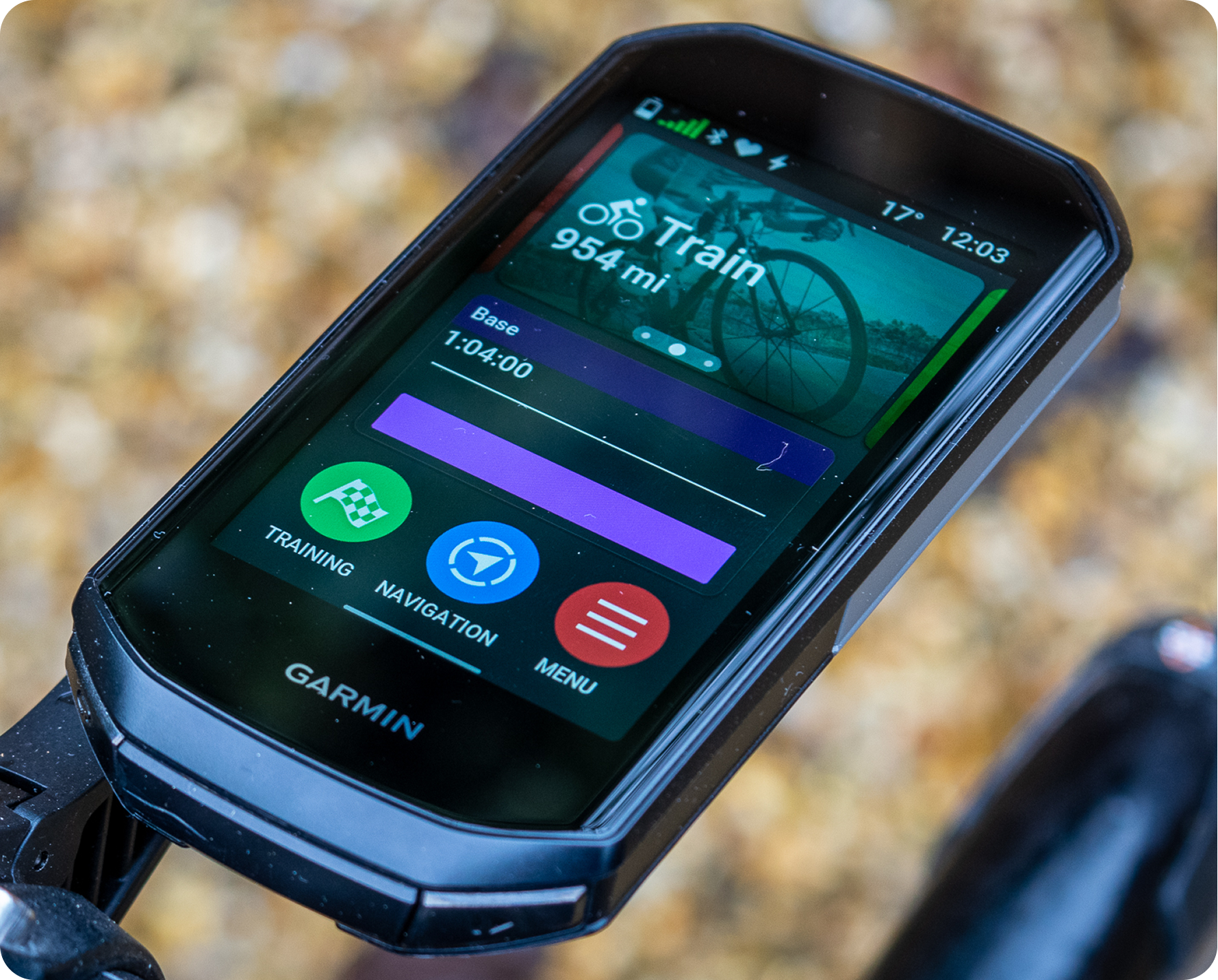
Features: 50%
Battery Life: 55%
Price: $$$$$
AI Utility: Bad
Overall: C
Why it’s #3: The gold standard for navigation, power data, and race-day execution. Nothing beats a top Garmin for maps, ANT+/BLE accessory support, intervals, and structured workouts on the bars.
Best for: Riders who want full-screen navigation, complex workouts, and deep power/cadence analytics on device.
What we loved:
Best-in-class maps, ClimbPro, and sensor ecosystem.
Bulletproof for long rides, races, and training plans.
Data depth: power curves, lap analysis, workouts on-device.
Room for improvement:
Not designed for sleep/recovery; you’ll need another wearable.
Screen + mount adds cockpit clutter; not ideal for minimalists.
Coaching layer feels more “rules-based” versus truly personal.
Our take: Still decent. If you live in structured intervals and navigation, this stays relevant—just know you’ll need add a second device for recovery.
4. Whoop 5.0
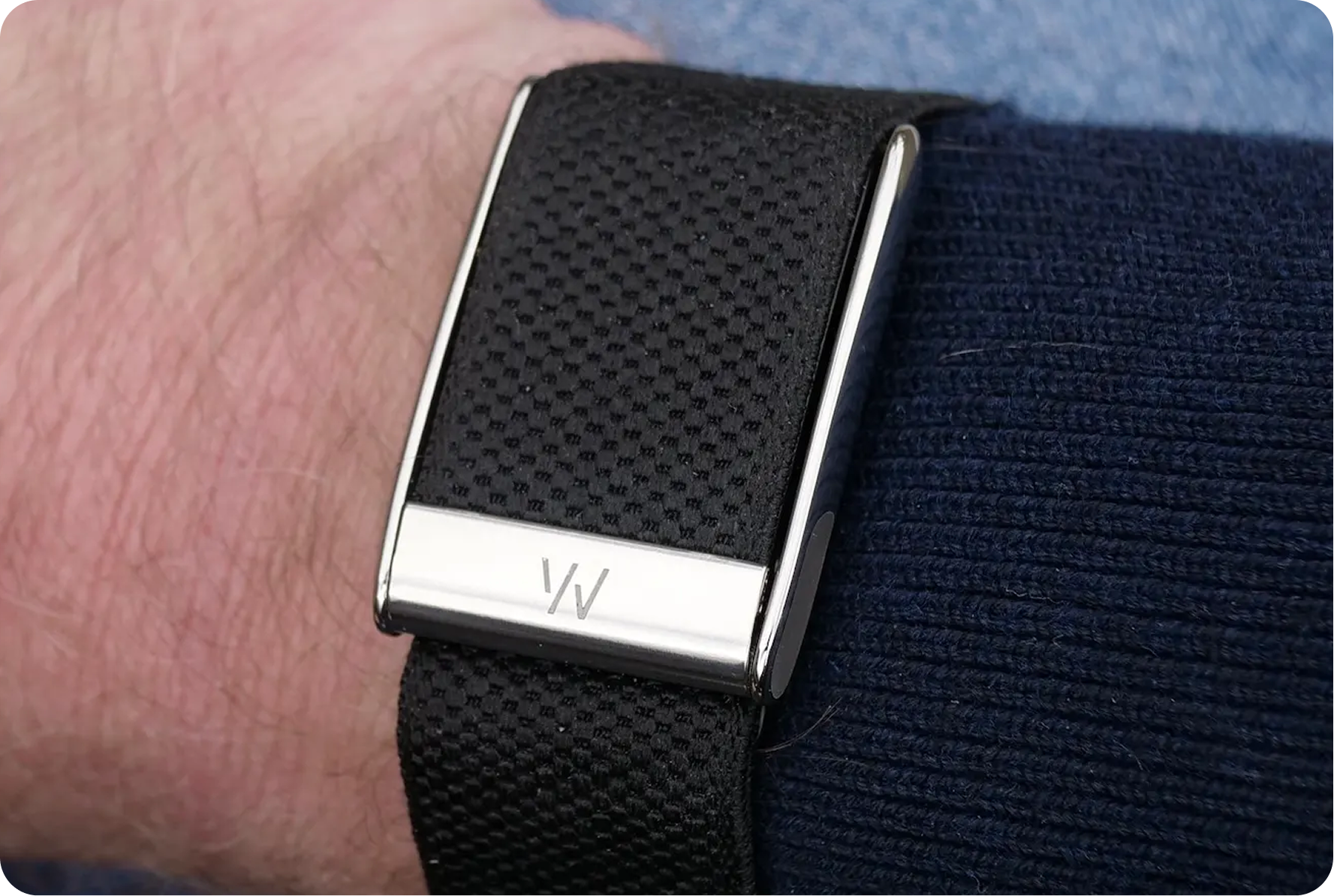
Features: 45%
Battery Life: 60%
Price: $$$$$
AI Utility: Average
Overall: C
Why it’s #4: Favored by high-performance athletes for strain & recovery trends, continuous HR, and community benchmarks. Great if you like coach-like recommendations without wearing a watch.
Best for: Data-driven cyclists who prefer strap-based HR and granular recovery scoring.
What we loved:
Strong day-to-day strain vs recovery guidance.
Broadcast HR to head units; useful during rides.
Comfortable, screenless, stays out of the way.
Room for improvement:
Ongoing subscription adds up.
Interface emphasizes training load but less cycling-specific nuance.
Not a replacement for a bike computer (maps/workouts).
Our take: A good recovery ecosystem—best as a companion only
5. Oura Ring
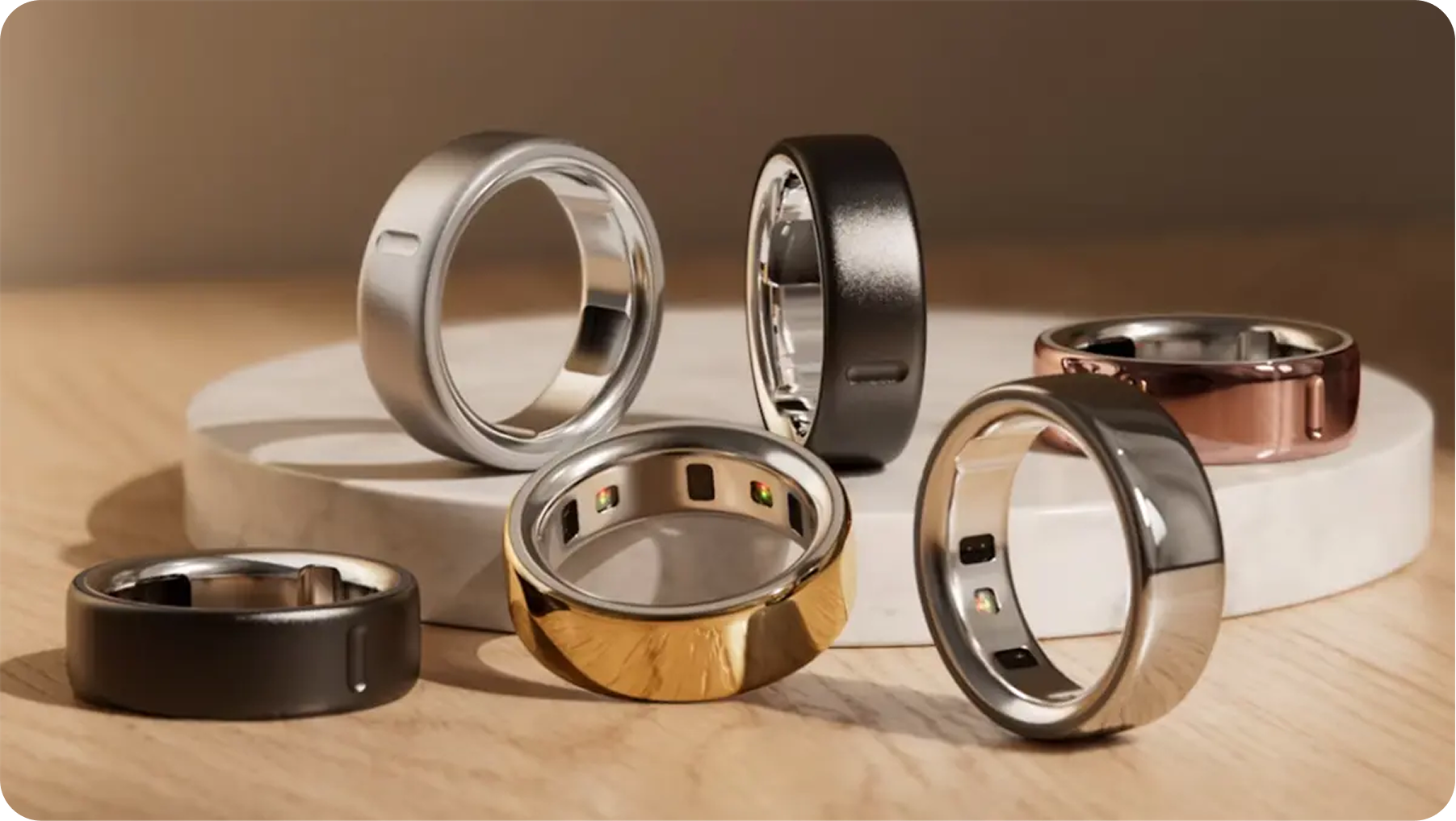
Features: 50%
Battery Life: 40%
Price: $$$$
AI Utilit: Average
Overall: C-
Why it’s #5: The benchmark wellness ring—sleep, HRV, readiness—beautifully packaged. For cyclists who prioritize recovery, Oura offers polished insights and strong app UX.
Best for: Recovery-first cyclists who want elite sleep tracking and day-to-day readiness trends.
What we loved:
Best-in-class sleep & HRV visuals.
Very comfortable 24/7, especially overnight.
Long battery life; elegant form factor.
Room for improvement
Cycling workout capture is limited; often needs a separate device.
No real-time on-ride coaching; insights are mostly post-hoc.
Data can feel siloed unless you wire up multiple apps.
Our take: A beautiful recovery companion. However it has not developed significantly since its initial launch.
WHY WE CHOSE THE THRIVE'S HELIOS SMART RING AS THE BEST CYCLING TECH PRODUCT FOR 2026
With so much cycling tech on the market, you might wonder why we crowned the THRIVE's HELIOS as the best. The answer is simple: no other tech delivers the perfect blend of performance, innovation, and value quite like this one. Beyond its unbeatable price, cutting-edge smart features, unmatched battery life, and elite AI integration, the HELIOS seamlessly integrates into a cyclist’s routine, elevating both training and health metrics in a way that other tech simply can’t match.

Take my daily routine, for example. I start my ride at 5 a.m. sharp, heading out in the dark on cold winter mornings and finishing the day the same way. Before using the Helios smart ring, I was mostly guessing—how hard to push, when to back off, whether I was actually improving or just accumulating fatigue. Now, Helios tracks my heart rate, recovery, and readiness continuously, giving me a clear picture of how my body is responding before I even clip in. Instead of riding blind, I know exactly when to push and when to ease off, which has made my mornings more focused and far less draining.

On weekends, the difference is even more noticeable. Riding with my group used to mean trying to keep up while quietly wondering if I was overreaching. With Helios, my training intensity is guided by real biometric data, not ego. The ring feeds my metrics directly into the THRIVE app, where an AI coach adjusts my effort in real time and reviews each ride afterward. Friends have commented on how consistent my pacing has become, and I’ve noticed fewer burnout weeks and stronger performances across longer rides.
The best part? Helios doesn’t feel like another gadget I need to manage. I don’t think about charging it constantly, and I don’t need to interpret complex charts—it simply works in the background, quietly improving how I train, recover, and ride. Whether it’s my daily commute or long weekend sessions, Helios hasn’t just fit into my routine—it’s fundamentally improved it. THRIVE is offering an incredible deal on the HELIOS: 52% off for those who click the link below.
This is hands-down the best cycling tech deal of the year, and with limited quantities available, we’re confident it won’t last long. If you’re serious about upgrading your ride, now is the time to make the switch to the THRIVE HELIOS Smart Ring—the gold standard in cycling tech for 2026.


THRIVE HELIOS 3 TOP REVIEWS
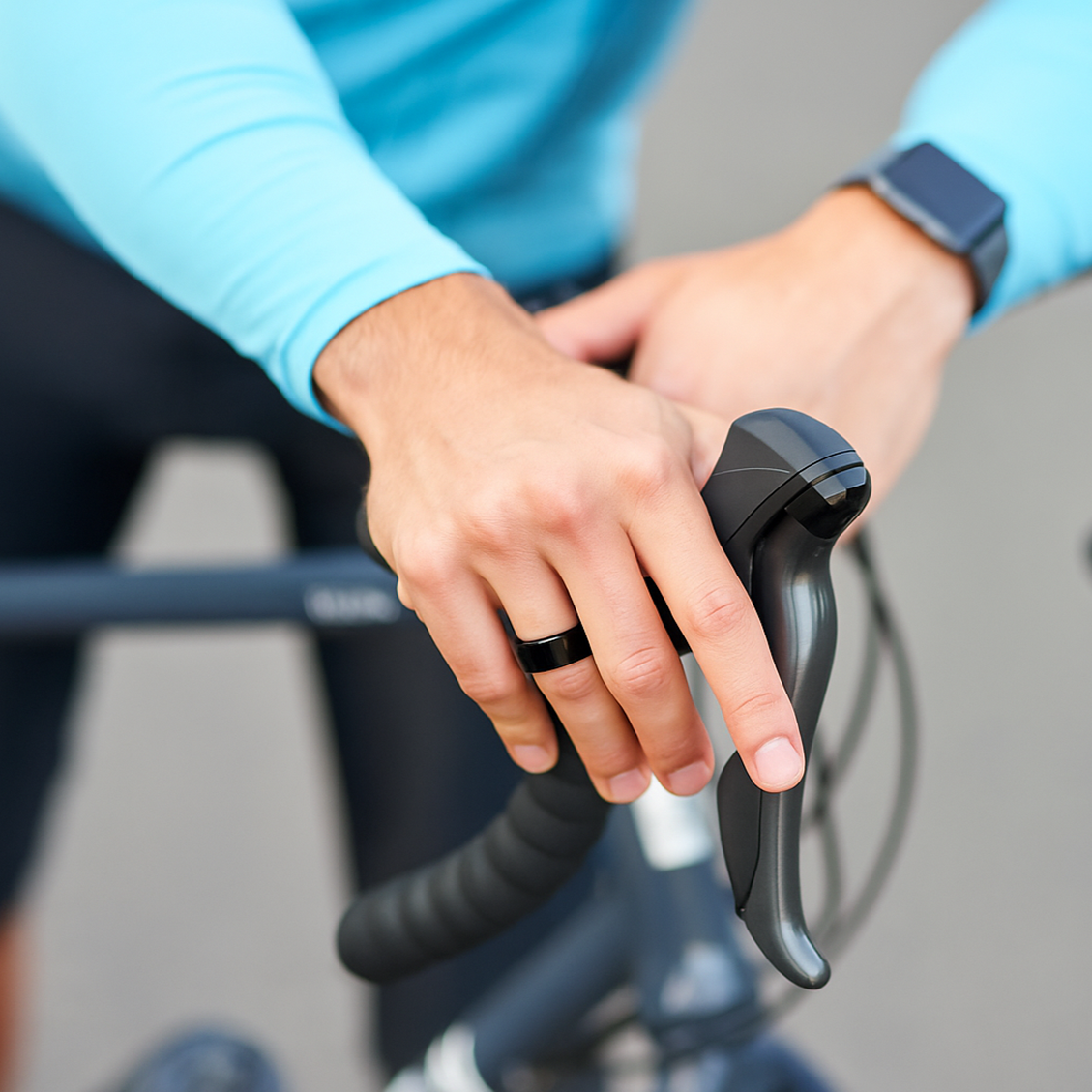
Very happy with the purchase and price. Had another more expensive
brand, but this is actually better! - Patricia, 34
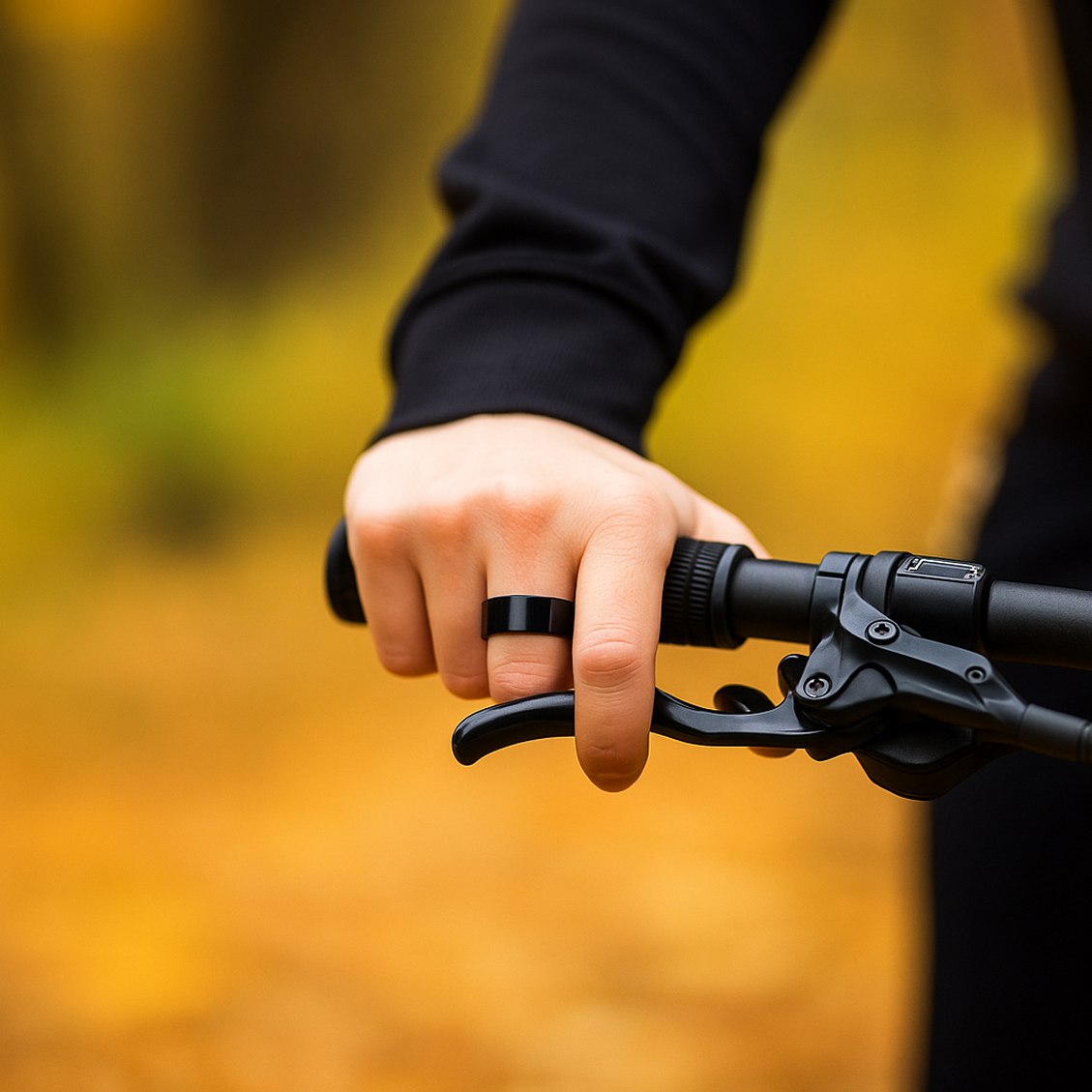
I charge this ring once a week! It’s
amazing. I cant see myself using a bike PC ever again - Rob, 42
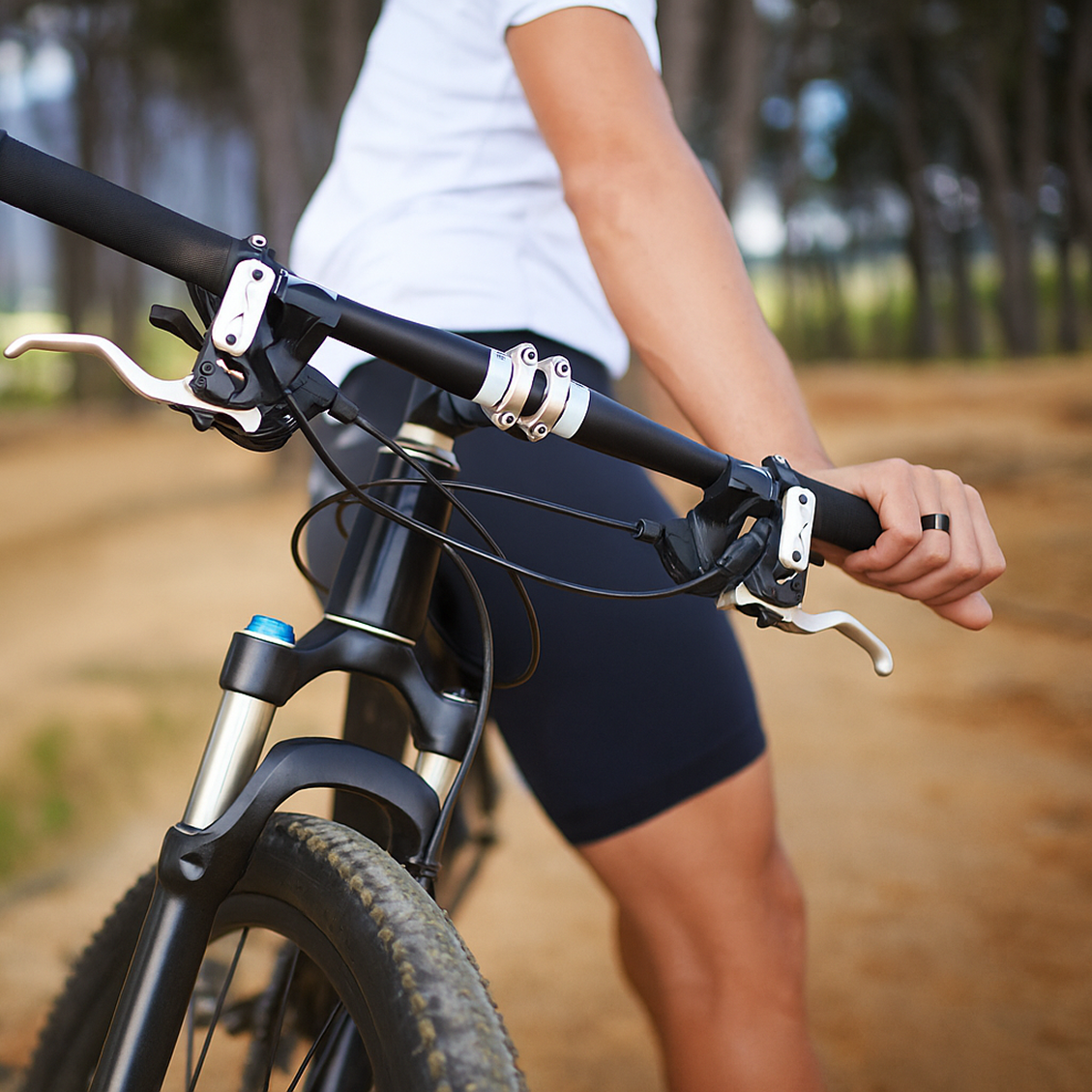
I love this ring, it is the true package - Nancy, 27